
FAST FORWARD
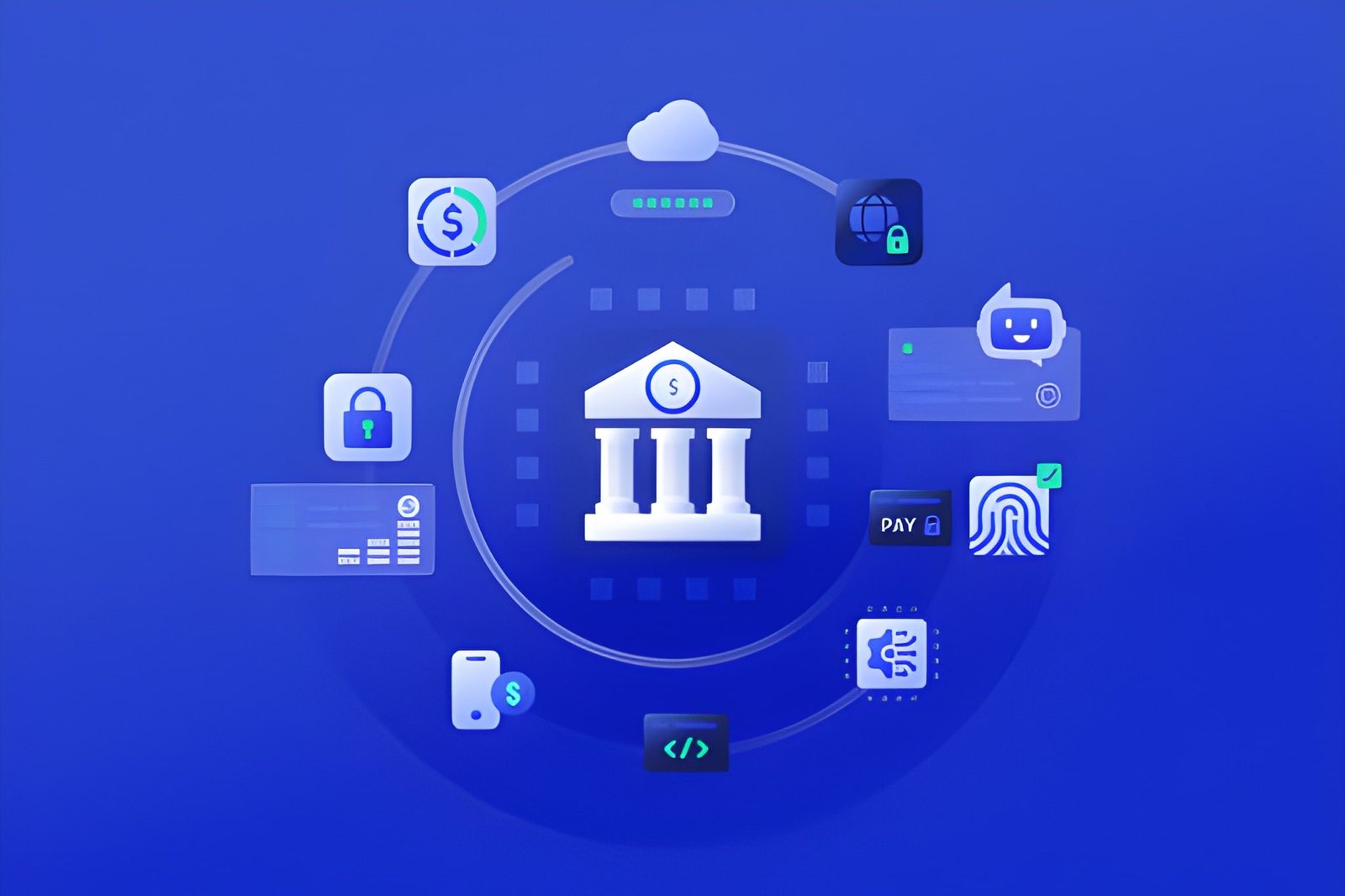
The modern banking customer is no longer defined by geography, income level, or even loyalty, but by expectation. In an age shaped by instant connectivity and digital convenience, today's smart customer demands more than just access to financial services. They expect speed, personalisation, transparency, and seamless experiences across every touchpoint. For banks, this shift is not incremental. It is transformational. Across Africa and beyond, financial institutions are reengineering their operating models to meet these evolving demands. At the center of this transformation lies a powerful trio: artificial intelligence (AI), data analytics, and mobile-first innovation. Together, they are redefining how banks engage, serve, and grow. Traditional banking was built around transactions: deposits, withdrawals, transfers. Today, the focus has shifted toward experiences. Customers want banks that understand their needs, anticipate their behavior, and deliver solutions before they are even requested. AI is making this possible. By analysing vast amounts of customer data, from spending habits to lifestyle patterns, banks can now offer hyper-personalised services. Whether it is tailored savings plans, real-time credit offers, or predictive financial advice, AI enables institutions to move from reactive service delivery to proactive engagement. This is where competitive advantage is increasingly won: not just in offering services, but in delivering relevance. Data has become the backbone of modern banking strategy. Every digital interaction, mobile app usage, card transactions, online inquiries, generates insights that can be harnessed to improve decision-making and customer experience. Forward-looking banks are investing heavily in advanced analytics to turn this data into actionable intelligence. The goal is twofold: deepen customer relationships and optimise operational efficiency. For example, behavioral analytics can help banks identify when a customer is likely to need a loan, switch accounts, or churn. Armed with this insight, institutions can intervene at precisely the right moment with the right offering. But with great data comes great responsibility. Trust remains a critical currency in banking, and institutions must balance personalization with robust data privacy and security frameworks. In Africa, where mobile penetration continues to outpace traditional banking infrastructure, mobile-first strategies are not just an advantage, they are a necessity. The smartphone has effectively become the primary bank branch. From onboarding and payments to investments and lending, customers expect to manage their entire financial lives through intuitive mobile platforms. This has pushed banks to prioritise user experience, speed, and accessibility in app design. The most successful digital banking platforms share common traits: Mobile banking is no longer a channel. It is the core of the banking relationship. The smart customer operates in real time and expects their bank to do the same. This has given rise to the always-on banking model, where services are available 24/7 without delays or downtime. AI-powered chatbots, automated customer service, and real-time processing systems are becoming standard components of this model. Customers no longer tolerate long queues, delayed responses, or rigid banking hours. They expect instant support, whether they are resolving a transaction issue at midnight or applying for a loan on a Sunday afternoon. For banks, this means rethinking not just technology infrastructure, but also culture and service delivery frameworks. While the opportunities are immense, the journey toward fully digital, customer-centric banking is not without challenges. Legacy systems remain a significant barrier for many institutions, limiting agility and scalability. Cybersecurity risks are also increasing as digital channels expand. Additionally, the talent gap in areas such as AI, data science, and digital product development continues to pose constraints. Perhaps most importantly, banks must navigate the delicate balance between innovation and regulation, ensuring compliance while maintaining speed to market. The evolution of digital banking is far from complete. As technologies like open banking, embedded finance, and decentralized systems gain traction, the definition of a bank itself is beginning to change. In this future, banking may no longer be confined to traditional institutions. Financial services will be embedded seamlessly into everyday experiences, shopping, mobility, healthcare, meeting customers wherever they are. The winners in this new era will be those who place the customer at the center of every decision, leveraging technology not as a tool, but as a strategic enabler of value creation. The rise of the smart customer is not a trend. It is a permanent shift. Banks that succeed will be those that listen deeply, act intelligently, and innovate relentlessly. In a world where expectations are constantly evolving, standing still is no longer an option. The future of banking belongs to those who can move fast, think smart, and deliver experiences that truly matter.From transactions to intelligent experiences
Data as the New Currency
Mobile-first: banking in the customer's pocket
The always-on imperative
Challenges on the road to transformation
What the Future Holds
Final Thought